If you’ve been following global manufacturing trends, you’ve probably noticed it: the manufacturing shift to Vietnam is accelerating. What started as a trickle a few years ago has become a flood in 2026, with factories moving from China to Vietnam at an unprecedented rate. But what does this mean for your supply chain? And more importantly, how does it change your logistics planning? At Yinghua Logistics, we’ve seen this shift firsthand, and we’re here to help you navigate the new landscape.
Why Companies Are Moving to Vietnam
Several factors are driving this manufacturing exodus to Vietnam. First and foremost are labor costs: while Chinese wages have risen steadily over the past decade, Vietnam still offers competitive labor rates that are 30-50% lower. Second is the trade policy environment: Vietnam has free trade agreements with both the US and EU, which means lower or zero tariffs for many products exported from Vietnam. Third is the diversification strategy: after years of supply chain disruptions, many companies are adopting a “China Plus One” strategy, reducing their reliance on a single country by setting up additional production in Vietnam.
What This Means for Logistics
This manufacturing shift is creating massive changes in global logistics routes and demand. Here’s what we’re seeing in 2026:
Raw material flows reversed: Instead of raw materials coming INTO China for manufacturing, we’re now seeing more raw materials going TO Vietnam, often from China itself. Many component suppliers are still based in China, so there’s a huge increase in China-to-Vietnam freight movements.
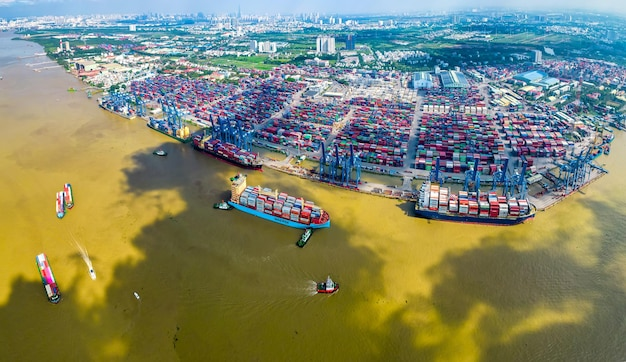
Finished goods flows changed: Instead of finished goods leaving Chinese ports for the US and Europe, we’re seeing more containers leaving Vietnamese ports. This has increased congestion at Vietnam’s main ports, especially Cat Lai in Ho Chi Minh City.
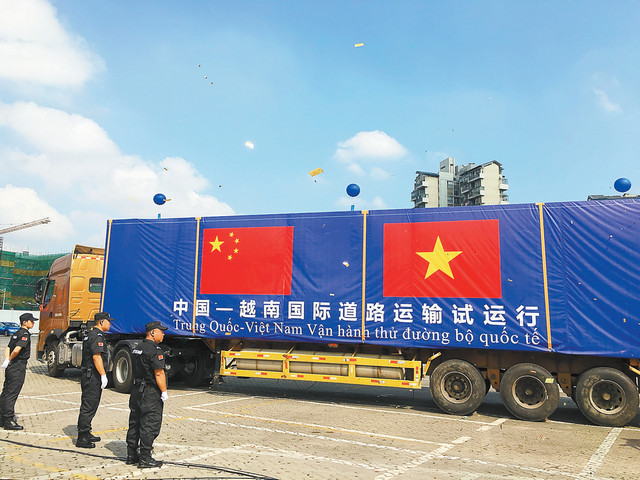
Demand for cross-border logistics booming: The China-Vietnam border is busier than ever, with both road and sea freight volumes increasing month by month.
Main Logistics Routes Between China and Vietnam
With this increased demand, understanding your logistics options between China and Vietnam is more important than ever. Here are the main routes we handle at Yinghua Logistics:
Sea freight (most popular):
- From Shenzhen, Guangzhou, or Shanghai to Ho Chi Minh City or Haiphong
- Transit time: 3-7 days depending on origin and destination ports
- Best for: Large volume shipments, heavy cargo, cost-sensitive shipments
Road freight (growing fast):
- From Guangxi or Yunnan provinces across the land border
- Transit time: 2-4 days
- Best for: Time-sensitive shipments, factory-to-factory deliveries, cargo originating in southern China
Air freight (premium option):
- From major Chinese airports to Ho Chi Minh City or Hanoi
- Transit time: 1-2 days
- Best for: High-value goods, urgent shipments, samples
Challenges Businesses Need to Know
While the Vietnam shift offers great opportunities, it also comes with logistics challenges that businesses need to be aware of:
Port congestion: Vietnam’s ports were not built for the current volume of cargo, leading to occasional delays during peak seasons. Solution: Plan ahead, book space early, and work with an experienced freight forwarder who knows the local situation.
Customs complexity: Vietnamese customs regulations can be complex and sometimes inconsistent. Solution: Work with a partner who has local agents and experience with Vietnam customs clearance.
Infrastructure gaps: While improving, Vietnam’s road and port infrastructure still lags behind China’s. Solution: Build extra time into your delivery schedules, and choose routes that minimize infrastructure bottlenecks.
How Yinghua Logistics Can Help
At Yinghua Logistics, we’ve been preparing for this manufacturing shift for years, and we’re ready to help your business navigate it smoothly:
Local expertise: We have established partners and agents in both northern and southern Vietnam, who know the local ports, roads, and customs procedures inside out.
Competitive rates: As a first-hand operator on the China-Vietnam route, we can offer you better rates and more reliable service than many larger forwarders who subcontract this route.
Flexible options: Whether you need sea freight, road freight, air freight, or a combination, we can create a customized solution for your specific needs.
Door-to-door service: We can handle everything from pickup at your Chinese factory to delivery at your Vietnamese factory or warehouse.
Conclusion
The manufacturing shift to Vietnam is not a temporary trend—it’s the new reality of global supply chains in 2026 and beyond. Businesses that adapt their logistics strategies now will be the ones that thrive in this new environment.
If you’re moving production to Vietnam, or if you’re already there and looking for a better logistics partner, don’t wait until peak season hits. Contact Yinghua Logistics today, and let us help you build a supply chain that’s ready for the future.