Key Innovations Changing the Game
1. Autonomous Driving Technology
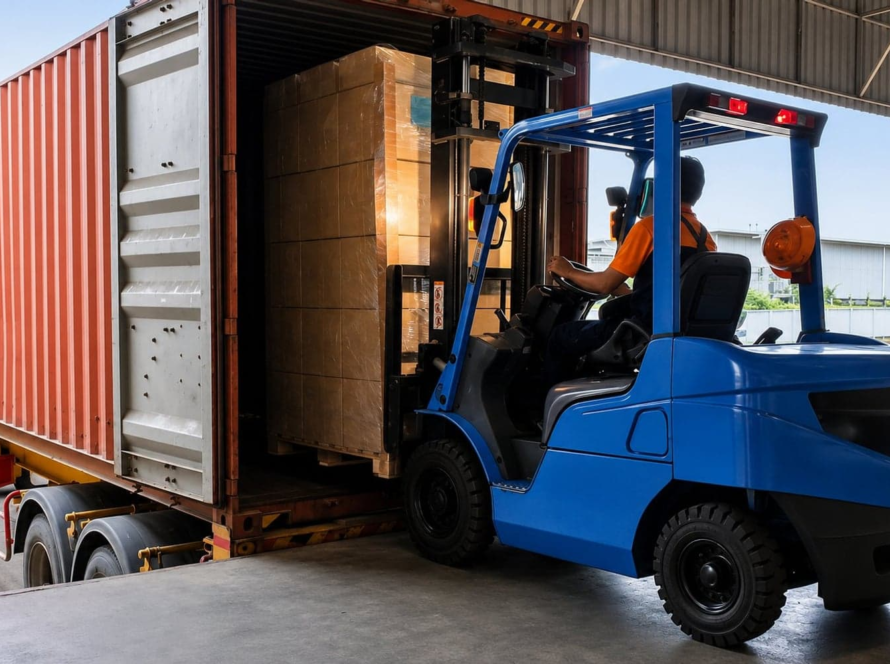
When you book a shipment from Shenzhen to Los Angeles or from Guangzhou to Rotterdam, you probably focus on the ocean or air leg. But Freightliner logistics innovations are transforming the first and last mile — the trucking portion — and these changes directly affect your delivery time, cost, and reliability.
Freightliner’s parent company Daimler Truck has invested heavily in Level 4 autonomous driving. While fully driverless trucks are still in testing, the impact on logistics is already real:
- Platooning — Trucks driving in close formation reduce air resistance, cutting fuel consumption by up to 10%
- Advanced driver-assist systems (ADAS) — Automatic emergency braking, lane-keeping, and adaptive cruise control are already standard on new Freightliner Cascadia models
- Reduced driver fatigue — Fewer accidents mean fewer delays for your cargo
2. Electric and Hybrid Trucks
The Freightliner eCascadia is now in commercial production, offering:
- 250-mile range on a single charge — enough for most port-to-warehouse routes
- Zero tailpipe emissions — critical for deliveries into cities with strict emission zones
- Lower per-mile cost — electricity is significantly cheaper than diesel for short-haul routes
What this means for shippers: deliveries into urban areas with emission restrictions (like many European and US cities) will become faster and cheaper as electric trucks replace diesel fleets.
3. Predictive Maintenance via IoT
Modern Freightliner trucks are equipped with hundreds of sensors that monitor:
- Engine performance and wear patterns
- Brake condition and tire pressure
- Transmission health
Predictive maintenance means breakdowns are caught before they happen, not after your cargo is stranded on the highway. For shippers, this translates to more reliable delivery windows.
4. Fuel Efficiency Breakthroughs
The latest Freightliner Cascadia achieves up to 35% better fuel economy compared to models from just five years ago, thanks to:
- Aerodynamic cab design
- Automated manual transmissions
- Intelligent powertrain management
Lower fuel costs for trucking companies eventually pass through to shippers as more competitive rates.
How This Connects to Your Supply Chain
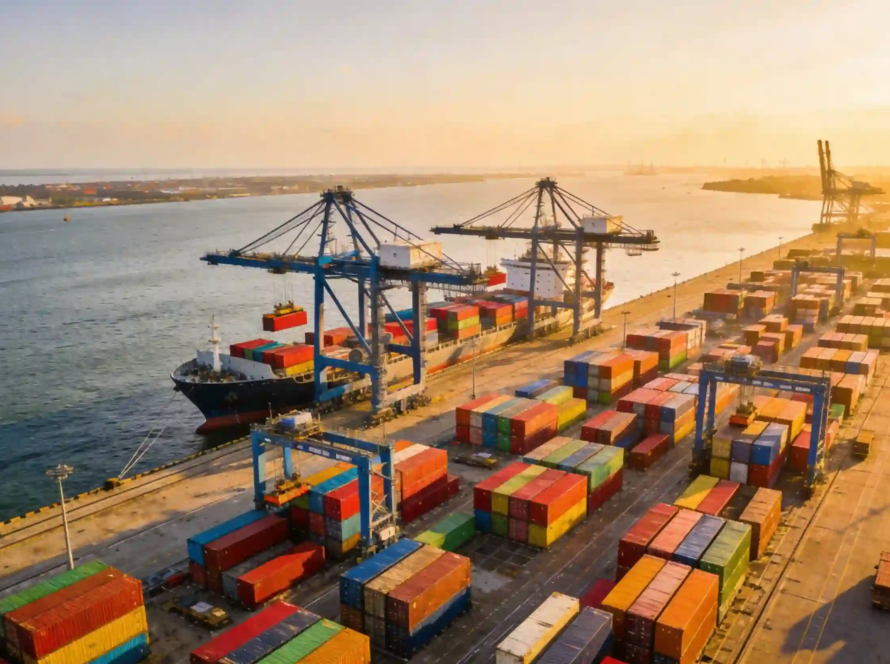
These trucking innovations matter because door-to-door delivery is only as strong as its weakest link. A container that arrives at the Port of Singapore on time but sits for two days waiting for a truck is not really “on time.”
At Yinghua Logistics, we factor the entire chain into our planning:
- Southeast Asia Sea Freight (Port-to-Port): We coordinate with reliable local trucking partners at origin and destination to minimize waiting time
- US & Europe Air Freight (Door-to-Door DDP): Our DDP service includes last-mile delivery, so you benefit from the trucking industry’s efficiency gains directly
- Trucking may not be the first thing you think about when booking international freight, but it is the link that connects every stage of your supply chain. As Freightliner and other manufacturers continue to innovate with autonomous driving, electric vehicles, and IoT-powered predictive maintenance, the entire logistics chain becomes faster, cheaper, and more reliable. Choosing a freight forwarder who understands these developments gives you a real competitive edge.
The Bottom Line for Shippers
Trucking may not be the first thing you think about when booking international freight, but it is the link that connects every stage of your supply chain. As Freightliner and other manufacturers continue to innovate with autonomous driving, electric vehicles, and IoT-powered predictive maintenance, the entire logistics chain becomes faster, cheaper, and more reliable. Choosing a freight forwarder who understands these developments — and plans around them — gives you a real competitive edge.
What Shippers Should Watch For
- Electric truck adoption in your destination markets — This will affect delivery costs and compliance with emission zones
- Autonomous trucking timelines — Expect significant cost reductions on long-haul US routes within 3-5 years
- IoT-enabled tracking — Demand real-time visibility not just for ocean/air legs, but for the trucking portion too
Want a logistics partner who thinks about your entire supply chain — not just the ocean or air leg? Contact Yinghua Logistics at sunny@yinghualine.cn or WhatsApp +86 15012939635