Looking for China to Vietnam sea freight rates in 2026? Whether you’re shipping electronics from Shenzhen to Ho Chi Minh City or furniture from Guangzhou to Haiphong, understanding the exact shipping costs is essential for accurate budgeting and supply chain planning.
Vietnam has become one of the fastest-growing trade partners for China, with bilateral trade exceeding $133 billion in recent years. As manufacturing continues to shift to Vietnam, the demand for reliable and cost-effective sea freight services has never been higher.
This comprehensive guide covers everything you need to know about China to Vietnam shipping cost in 2026: current freight rates, transit times, FCL vs LCL options, and practical tips to optimize your shipping budget.
Why Vietnam is a Key Trade Route from China
Vietnam has emerged as a manufacturing powerhouse in Southeast Asia, making it a critical destination for China to Vietnam shipping. Several factors contribute to the strong trade relationship:
Geographic Proximity: Located just south of China, Vietnam offers the shortest sea routes from major Chinese ports. Shipping from Shenzhen or Guangzhou to Ho Chi Minh takes only 3-5 days by sea.
Cost Advantages: Vietnamese manufacturing costs remain competitive compared to other Southeast Asian destinations. Many companies use Vietnam as a production base for exports to the US and Europe, taking advantage of favorable trade agreements.
Trade Agreements: Vietnam benefits from multiple free trade agreements including RCEP and the ASEAN-China FTA, which can significantly reduce import duties on goods shipped from China.
Growing Market: With a population of nearly 100 million and a rapidly expanding middle class, Vietnam represents both a manufacturing hub and a growing consumer market for Chinese goods.
For businesses looking to establish or expand their Vietnam operations, partnering with an experienced freight forwarder like Yinghua Logistics ensures smooth customs clearance and reliable delivery.
China to Vietnam Sea Freight Routes & Transit Times
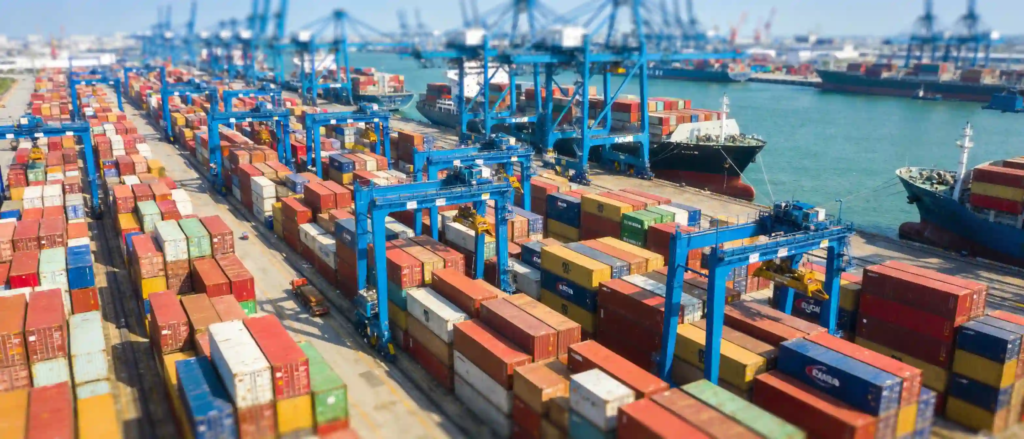
Understanding the main shipping routes and expected transit times helps you plan your supply chain effectively. Here are the primary options:
Main Chinese Origin Ports
- Shenzhen/Guangzhou: Best for southern China manufacturing hubs
- Shanghai: Central China’s largest port with frequent sailings
- Ningbo: Major hub for Zhejiang province manufacturers
- Xiamen: Ideal for Fujian-based suppliers
Main Vietnamese Destination Ports
- Ho Chi Minh City (Cat Lai/Phu Huu): Vietnam’s largest port, gateway to the south
- Haiphong: Northern Vietnam’s main port, serving Hanoi industrial zones
- Da Nang: Central Vietnam’s coastal hub
Transit Times (Port to Port)
| Route | Transit Time | Container Type |
|---|---|---|
| Shenzhen → Ho Chi Minh | 3-5 days | FCL/LCL |
| Guangzhou → Ho Chi Minh | 4-6 days | FCL/LCL |
| Shanghai → Ho Chi Minh | 5-7 days | FCL/LCL |
| Shanghai → Haiphong | 6-8 days | FCL/LCL |
| Shenzhen → Haiphong | 4-6 days | FCL/LCL |
Note: Transit times are estimates under normal conditions. Actual delivery may vary based on weather, port congestion, and carrier schedules. For time-sensitive shipments, always confirm current schedules with your freight forwarder.
For door-to-door delivery, add approximately 3-5 additional days for customs clearance and last-mile delivery within Vietnam.
FCL vs LCL Shipping to Vietnam: Which to Choose
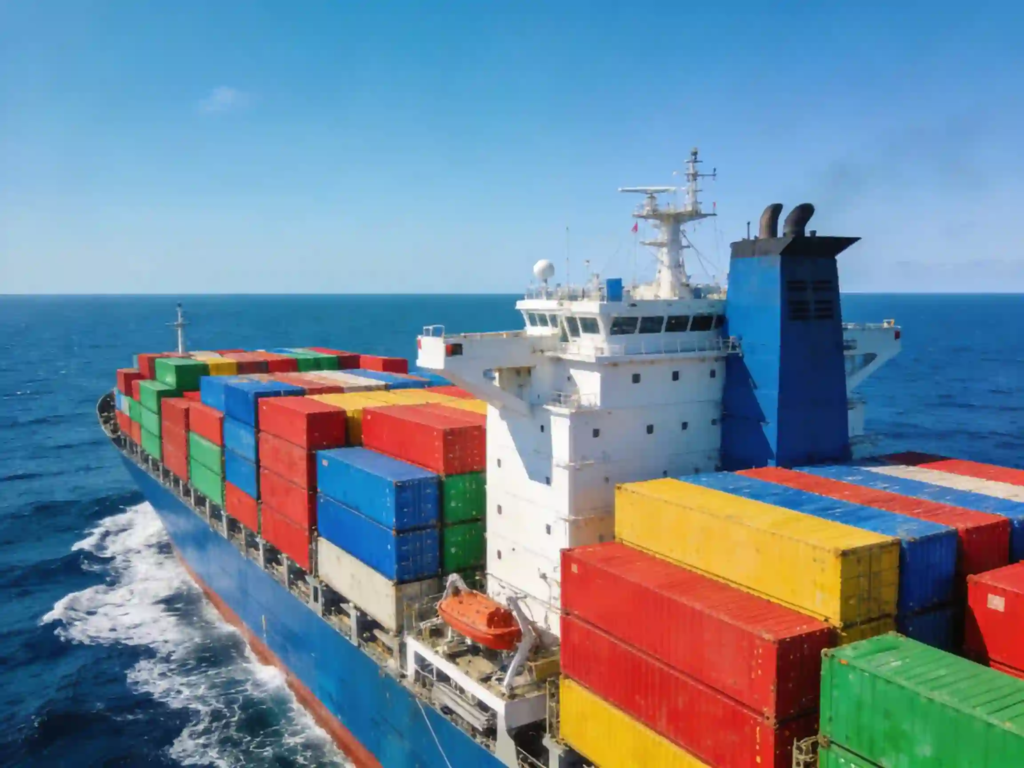
One of the most common questions is whether to ship FCL (Full Container Load) or LCL (Less than Container Load). Here’s a detailed comparison:
FCL (Full Container Load)
Best for: Shipments requiring more than 15 CBM or 20 tons
Advantages:
- Lower cost per unit for large volumes
- Faster transit (no consolidation/deconsolidation)
- Less handling of cargo, reducing damage risk
- More predictable scheduling
Container Options:
- 20ft Container: Holds approximately 25-28 CBM or 28 tons
- 40ft Container: Holds approximately 55-58 CBM or 28 tons
- 40ft High Cube: Holds approximately 65-68 CBM
LCL (Less than Container Load)
Best for: Shipments under 15 CBM or when you can’t fill a full container
Advantages:
- No minimum volume requirement
- Pay only for the space your cargo occupies
- Ideal for smaller businesses or trial shipments
- Flexible scheduling
Considerations:
- Higher cost per CBM compared to FCL
- Additional handling (consolidation and deconsolidation)
- Longer transit times
- Requires customs clearance at both origin and destination
When to Choose FCL vs LCL
| Factor | Choose FCL | Choose LCL |
|---|---|---|
| Volume | >15 CBM | <15 CBM |
| Budget | Cost-sensitive large shipments | Limited budget, small volumes |
| Transit Time | Urgent shipments | Flexible timeline |
| Cargo Type | Sensitive or high-value goods | Standard general cargo |
Pro Tip: If your shipment is between 10-15 CBM, compare quotes for both FCL and LCL. Sometimes, especially with current market rates, FCL can be more cost-effective even for smaller volumes.
China to Vietnam Sea Freight Rates 2026
Based on the latest market data for 2026, here are the current China to Vietnam sea freight rates:
FCL Rates (Full Container Load)
| Route | 20ft Container | 40ft Container | 40ft High Cube |
|---|---|---|---|
| Shenzhen/Guangzhou → Ho Chi Minh | $365 – $800 | $500 – $1,200 | $500 – $1,200 |
| Shanghai → Ho Chi Minh | $365 – $625 | $500 – $1,000 | $500 – $1,000 |
| Shenzhen/Guangzhou → Haiphong | $400 – $625 | $500 – $1,300 | $500 – $1,300 |
| Shanghai → Haiphong | $400 – $900 | $600 – $1,500 | $600 – $1,500 |
LCL Rates (Less than Container Load)
| Route | Per CBM | Minimum Charge |
|---|---|---|
| Major Chinese Ports → Ho Chi Minh | $15 – $55 | 0.5 CBM |
| Major Chinese Ports → Haiphong | $18 – $60 | 0.5 CBM |
Rate Comparison by Container Type
20ft Container: Best for heavy cargo such as machinery, electronics, and industrial materials. The 20ft container offers the best value-to-space ratio for dense goods.
40ft High Cube: Ideal for voluminous cargo including textiles, furniture, and consumer goods. The extra height provides additional capacity without significantly increasing costs.
LCL Consolidation: Cost-effective for shipments under 15 CBM. You share container space with other shippers, paying only for your volume.
Important Notes on Pricing
- Rate Fluctuations: Sea freight rates are subject to change based on market demand, fuel prices, and seasonal factors. The rates above reflect current market conditions but may vary.
- Additional Costs: Base freight rates do not include:
- Origin handling charges
- Destination terminal handling (THC)
- Customs clearance fees
- Import duties and VAT
- Door-to-door delivery
- Fuel Surcharges: Global fuel price volatility may result in additional bunker adjustment factors (BAF).
- Booking Window: Due to ongoing global shipping disruptions, we recommend booking 2-3 weeks in advance to secure space and current rates.
For a personalized quote tailored to your specific cargo and route, contact Yinghua Logistics via WhatsApp at +86 15012939635 or email sunny@yinghualine.cn.
Factors Affecting Shipping Costs to Vietnam
Several factors influence your final Vietnam sea freight costs beyond the basic ocean freight rate:
1. Fuel Prices
Global bunker fuel prices directly impact shipping costs. When fuel prices rise, carriers typically pass on costs through Bunker Adjustment Factors (BAF) or Emergency Bunker Surcharges (EBS).
2. Seasonal Demand
Peak shipping seasons (typically September-November before Chinese New Year and March-May after) often see higher rates due to increased demand. Booking during off-peak periods can result in significant savings.
3. Port Congestion
Delays at ports can lead to demurrage and detention charges. Choose ports with efficient operations to minimize additional costs.
4. Container Availability
Global container repositioning affects equipment availability. During tight supply periods, carriers may apply Peak Season Surcharges (PSS).
5. Cargo Characteristics
- Weight: Heavy cargo may face weight surcharges
- Dimensions: Oversized cargo requires special equipment
- Special Handling: Temperature-controlled, hazardous, or fragile goods require specialized services
6. Route and Distance
Direct routes are typically cheaper than transshipment routes. While direct sailings from Shenzhen to Ho Chi Minh offer the fastest transit, some carriers may offer lower rates via transshipment hubs.
7. Accessorial Charges
Additional services such as customs brokerage, insurance, warehousing, or special delivery requirements add to your total shipping cost.
Cost-Saving Tips:
- Book early to secure competitive rates
- Consider off-peak shipping periods
- Optimize packaging to maximize container space
- Work with a forwarder who has direct carrier contracts
- Request all-inclusive quotes to avoid hidden fees
Customs Clearance & Documentation for Vietnam Imports
Proper documentation is essential for smooth Vietnam customs clearance. Here’s what you need to know:
Required Documents
- Commercial Invoice: Must include detailed item descriptions, HS codes, unit prices, and total value
- Packing List: Details of contents, dimensions, and gross weight per package
- Bill of Lading (B/L): Ocean bill of lading for sea freight; can be original or seaway bill
- Certificate of Origin (COO): Required for FTA duty benefits; must be certified by authorized bodies
- Import License: Required for certain regulated goods
Vietnam Import Regulations
VAT: All imports to Vietnam are subject to 10% Value Added Tax, calculated on CIF value plus import duty.
Import Duties: Rates vary by product (HS code), typically ranging from 0% to 50%. Key categories:
- Electronics: 5-20% (standard), 0-5% under FTA
- Textiles/Apparel: 10-30% (standard), 0-10% under FTA
- Machinery/Equipment: 5-15% (standard), 0-5% under FTA
Prohibited Items: Certain goods are restricted or prohibited from import, including:
- Firearms and weapons
- Pornographic materials
- Narcotics and drugs
- Counterfeit currencies
- Some agricultural products
FTA Benefits
Vietnam has multiple free trade agreements that can significantly reduce import duties:
ASEAN-China FTA: Most goods qualify for reduced or zero tariffs
RCEP: Regional Comprehensive Economic Partnership offers additional tariff reductions
Vietnam-Japan/Korea FTAs: Beneficial for Japanese or Korean-origin materials transiting through China
Important: To claim FTA benefits, you must provide a valid Certificate of Origin issued by authorized agencies in China.
Tips for Smooth Clearance
- Double-check all document details before shipment
- Ensure HS codes are accurate and complete
- Allow extra time during peak seasons
- Work with a customs broker familiar with Vietnamese regulations
- Maintain good communication with your supplier and forwarder
Yinghua Logistics provides comprehensive customs clearance services in both China and Vietnam, ensuring your shipment clears customs efficiently and legally.
Why Choose Yinghua Logistics for Vietnam Shipping
With over 12 years of experience since our founding in 2013, Yinghua Logistics has established ourselves as a trusted partner for China-Vietnam shipping. Here’s why thousands of businesses choose us:
Our Core Strengths
Direct Carrier Contracts: As a first-tier freight forwarder, we maintain direct contracts with major shipping lines including Maersk, MSC, CMA CGM, Hapag-Lloyd, and COSCO. This means:
- Guaranteed space allocation
- Competitive rates not available through third parties
- Priority handling for your shipments
Stable Space Allocation: Our direct relationships ensure consistent availability of container space, even during peak seasons when other forwarders struggle to secure bookings.
Comprehensive Services:
- FCL and LCL shipping to all major Vietnamese ports
- Customs clearance in both China and Vietnam
- Door-to-door delivery services
- Cargo insurance
- Warehouse storage and consolidation
Service Coverage
We serve all major Vietnamese ports and destinations:
- Ho Chi Minh City: Cat Lai, Phu Huu terminals
- Haiphong: LBP, Doson terminals
- Da Nang: Tien Sa port
- Northern Vietnam: Hanoi, Bac Ninh, Hung Yen industrial zones
- Southern Vietnam: Binh Duong, Dong Nai, Long An manufacturing hubs
Our Commitment
Transparent Pricing: No hidden fees. We provide detailed quotes covering all charges upfront.
24/7 Support: Our team is available around the clock to answer your questions and provide shipment updates.
Personalized Solutions: Every business has unique needs. We work with you to design shipping solutions that fit your requirements and budget.
Proven Track Record: With over 12 years in the industry, we’ve successfully handled thousands of shipments to Vietnam across various industries including electronics, textiles, machinery, and consumer goods.
Ready to Ship?
Get a free, no-obligation quote for your next shipment. Contact us today:
- WhatsApp: +86 15012939635
- Email: sunny@yinghualine.cn
- Website: https://yinghuafreight.com/
For more information about our Southeast Asia shipping services, visit our Southeast Asia Sea Freight page.
Frequently Asked Questions (FAQ)
1. What is the average China to Vietnam sea freight transit time?
The typical sea freight transit time from China to Vietnam ranges from 3 to 7 days for port-to-port delivery, depending on the origin and destination ports. Direct routes from Shenzhen or Guangzhou to Ho Chi Minh are the fastest (3-5 days), while routes to Haiphong or Da Nang may take 5-8 days.
2. How much does it cost to ship a 20ft container from China to Vietnam?
Based on 2026 rates, a 20ft container from China to Vietnam typically costs between $365 and $800 for shipments to Ho Chi Minh, and $400 to $625 for Haiphong. Rates vary based on origin port, carrier, and current market conditions. Contact us for an exact quote for your shipment.
3. What is the difference between FCL and LCL shipping?
FCL (Full Container Load) means you book an entire container for your shipment, paying for the whole container regardless of whether it’s full. LCL (Less than Container Load) means your cargo shares a container with other shippers, and you only pay for the volume your goods occupy. Choose FCL for shipments over 15 CBM and LCL for smaller volumes.
4. Do I need customs clearance for shipping to Vietnam?
Yes, all shipments to Vietnam require customs clearance. You’ll need commercial invoices, packing lists, bills of lading, and certificates of origin. Yinghua Logistics provides comprehensive customs clearance services in both China and Vietnam to ensure smooth processing.
5. What documents are required for importing goods into Vietnam?
Required documents include: Commercial Invoice, Packing List, Bill of Lading (B/L), Certificate of Origin (for FTA benefits), and Import License (for regulated goods). Additional documents may be required depending on your specific goods.
Get Your Free Vietnam Shipping Quote
Ready to ship from China to Vietnam? Let Yinghua Logistics handle your freight needs with competitive rates, reliable service, and over 12 years of expertise in China-Vietnam trade.
Contact Us Today:
- WhatsApp: +86 15012939635
- Email: sunny@yinghualine.cn
- Website: https://yinghuafreight.com/
Our team will respond within 2 hours during business hours. For urgent inquiries, please message us on WhatsApp directly.