Air freight transit time is one of the most important factors for importers shipping goods from China to the United States.
Two shipments may leave China around the same time, yet one arrives in the U.S. several days earlier than the other.
Why does this happen?
The answer usually comes down to three key factors: flight routing, customs clearance efficiency, and final-mile delivery.
When importing goods from China to the United States, many businesses notice something surprising:
Two shipments may leave China around the same time, but one arrives in the U.S. three days earlier than the other.
Why does this happen?
Many importers assume shipping delays are simply a matter of luck. In reality, transit time is influenced by several important logistics factors. Understanding these factors can help businesses reduce delays, improve inventory planning, and choose the right shipping solution.
In this article, we’ll explain the three main reasons why some shipments reach the U.S. faster than others and what you can do to improve delivery performance.
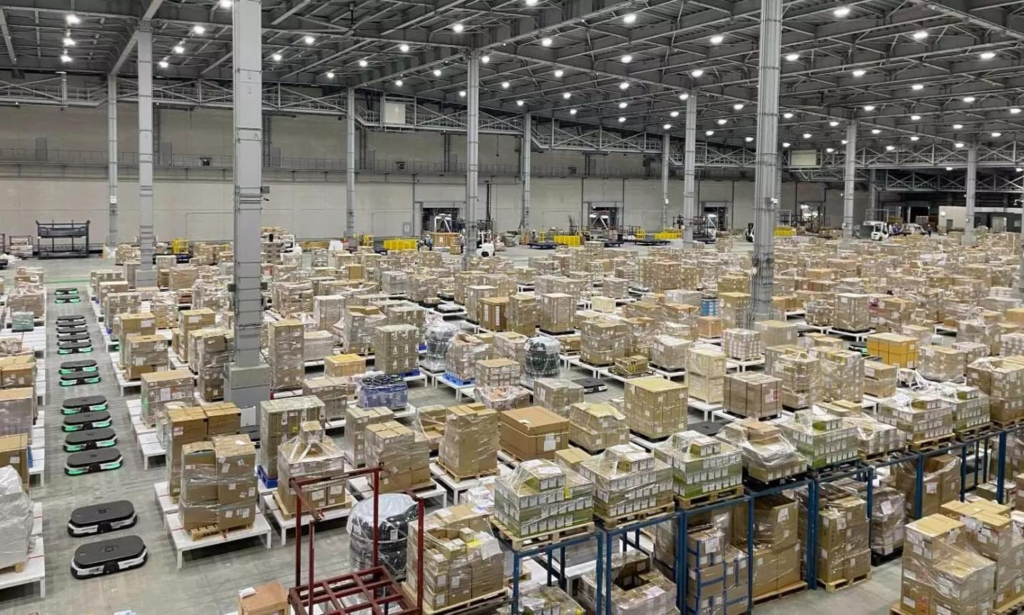
1. Flight Routing Makes a Huge Difference
One of the biggest factors affecting air freight transit time is the flight route.
Not all cargo travels on the same flights.
Some shipments move on direct flights from China to the United States, while others travel through transit hubs such as South Korea, Japan, Taiwan, or other international airports before reaching their final destination.
Direct Flights
Direct flights offer several advantages:
- Shorter transit times
- Less cargo handling
- Lower risk of delays
- Better schedule reliability
For urgent shipments, direct flights are usually the preferred option.
Transit Flights
Transit flights may be less expensive, but they often require:
- Additional unloading and loading
- Extra customs or security checks
- Waiting time at transfer airports
Even a single transit stop can add one to three days to the overall delivery schedule.
For businesses shipping time-sensitive products, choosing the right flight route can significantly impact delivery speed.
2. Customs Clearance Efficiency
Many importers focus only on transportation time and overlook customs clearance.
However, customs clearance is often one of the most critical stages in international shipping.
Even if cargo arrives at a U.S. airport on schedule, customs processing issues can quickly create delays.
Common Causes of Customs Delays
Some of the most common reasons include:
- Incomplete shipping documents
- Incorrect product descriptions
- Inaccurate declared values
- Missing certifications
- Random customs inspections
When documentation is properly prepared before departure, customs clearance usually proceeds much faster.
Why Documentation Matters
A shipment with complete and accurate paperwork is generally processed more efficiently than one requiring additional review.
For this reason, experienced freight forwarders often review shipping documents before cargo departure to reduce potential customs issues.
Good preparation can save several days and help avoid unnecessary storage or handling costs.
3. Final Mile Delivery Is Often Overlooked
Many people assume that once cargo lands in the United States, the shipment has essentially arrived.
In reality, airport arrival is only one stage of the logistics process.
After landing, cargo still needs to:
- Be unloaded
- Be processed by warehouse operators
- Complete customs release
- Be transferred to domestic carriers
- Reach the final delivery destination
This stage is commonly referred to as the “final mile.”
Why Final Mile Delivery Matters
Different logistics providers use different delivery networks.
Some providers have established partnerships with major carriers and distribution centers, allowing cargo to move quickly after customs release.
Others may experience delays due to warehouse congestion, limited transportation capacity, or inefficient handling procedures.
As a result, two shipments arriving at the same airport can still reach customers on different dates.
Why the Cheapest Shipping Option Is Not Always the Fastest
Many businesses naturally focus on reducing transportation costs.
However, lower shipping rates sometimes come with trade-offs.
For example:
- More transit stops
- Longer waiting times for cargo consolidation
- Lower flight priority
- Reduced scheduling flexibility
While these options may reduce freight costs, they can also increase overall transit time.
For companies managing inventory, production schedules, or e-commerce fulfillment, delivery speed can often be more valuable than small savings in freight charges.
The best logistics solution is usually one that balances cost, reliability, and transit time.
How to Reduce Air Freight Delays to the USA
If you want your shipments to arrive faster and more consistently, consider the following strategies:
Choose the Right Shipping Route
Discuss available routing options with your freight forwarder and evaluate whether direct flights are appropriate for your shipment.
Prepare Documents Carefully
Ensure all invoices, packing lists, and product descriptions are accurate and complete before shipping.
Plan Ahead During Peak Seasons
Major holidays, promotional events, and peak shipping seasons can increase transit times significantly.
Booking space early helps avoid unnecessary delays.
Work With an Experienced Logistics Partner
An experienced freight forwarder can help identify potential risks before shipment departure and recommend the most efficient transportation options.
Conclusion
If one shipment reaches the United States three days faster than another, the difference is usually not luck.
Flight routing, customs clearance efficiency, and final-mile delivery all play important roles in determining overall transit time.
Understanding these factors allows importers to make better shipping decisions, improve supply chain performance, and reduce costly delays.
When choosing a logistics solution, remember that the fastest shipment is not always the most expensive, and the cheapest option is not always the most cost-effective.
The key is finding the right balance between speed, reliability, and cost.