


Introduction
Southeast Asia has become one of the most important trading regions for Chinese businesses. With the implementation of RCEP (Regional Comprehensive Economic Partnership) , trade between China and ASEAN countries continues to grow rapidly. Whether you’re a manufacturer exporting goods or an e-commerce seller expanding into new markets, understanding the shipping process from China to Southeast Asia is essential for your business success.
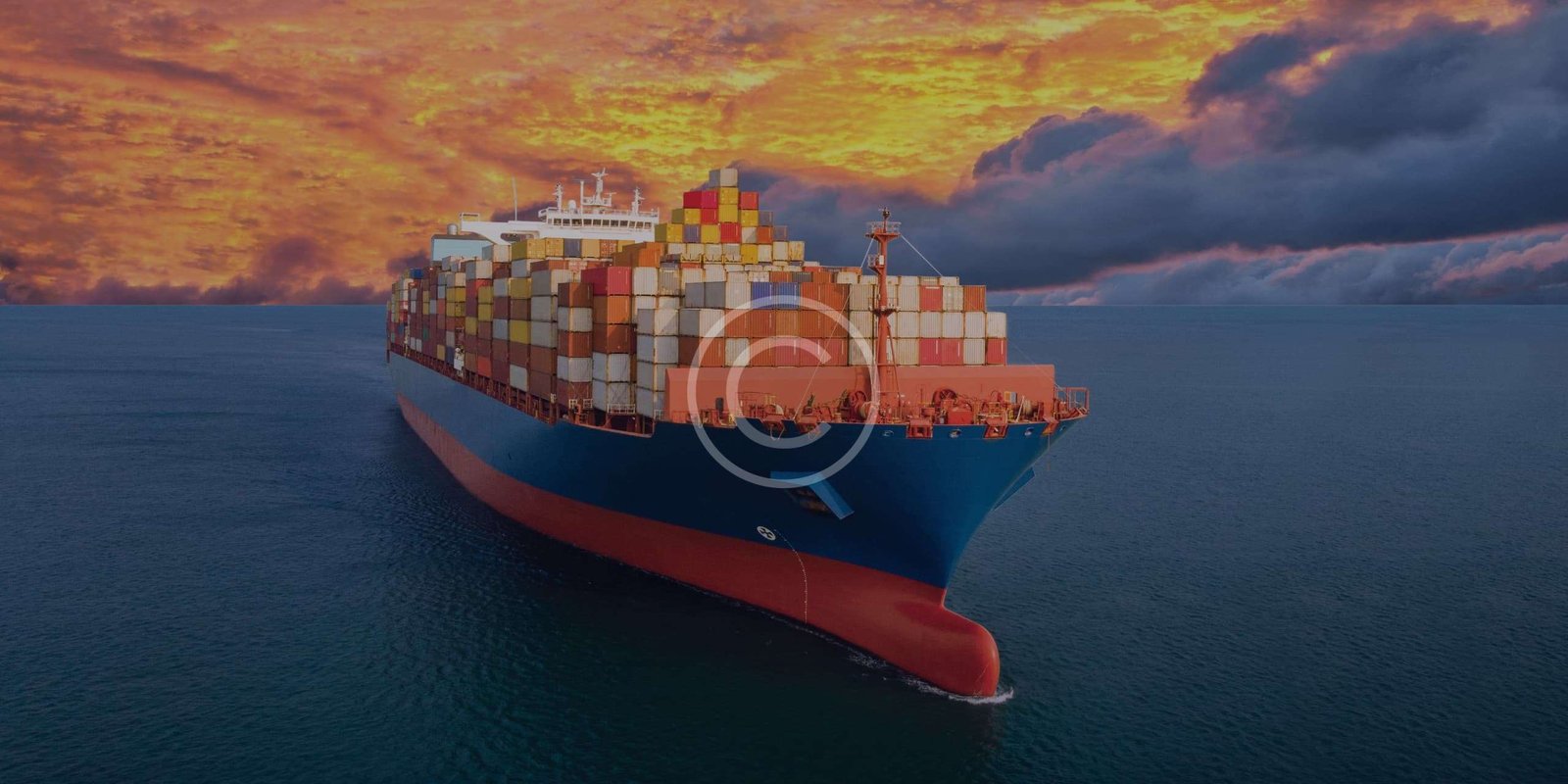
Southeast Asia shipping routes have become increasingly vital for Chinese exporters seeking to expand their market reach.
In this comprehensive guide, we’ll cover everything you need to know about shipping from China to major Southeast Asian destinations, including popular routes, shipping methods, documentation, costs, and practical tips for smooth logistics operations.
Why Ship from Shenzhen to Southeast Asia?
Shenzhen, located in southern China’s Guangdong province, is one of the world’s busiest manufacturing and logistics hubs. Its strategic location offers several advantages for shipping to Southeast Asia:
- Proximity to ASEAN Markets – Close geographic distance means shorter transit times and lower shipping costs
- World-Class Port Infrastructure – Yantian and Shekou ports handle millions of TEUs annually
- Manufacturing Hub – Direct access to suppliers and factories in the Pearl River Delta
- Efficient Customs Clearance – Streamlined export procedures for faster processing
Popular Shipping Routes from Shenzhen
1. Thailand Shipping Route
表格
| Item | Details |
|---|---|
| Main Ports | Laem Chabang, Bangkok |
| Transit Time | 7-10 days (direct vessel) |
| Service Frequency | 3 sailings per week |
| Common Cargo | Electronics, textiles, machinery parts, consumer goods |
Route Highlights:
- Laem Chabang is Thailand’s largest deep-water port, handling over 80% of Thailand’s container traffic
- Direct carrier services available with stable space allocation
- Both FCL and LCL options widely available
2. Vietnam Shipping Route
表格
| Item | Details |
|---|---|
| Main Ports | Ho Chi Minh City, Hai Phong |
| Transit Time | 5-8 days |
| Service Frequency | Daily departures available |
| Common Cargo | Raw materials, textiles, electronics components, furniture |
Route Highlights:
- Ho Chi Minh City is Vietnam’s busiest port in the south
- Hai Phong serves northern Vietnam manufacturing regions
- Short transit time makes this one of the most popular routes
3. Malaysia Shipping Route
表格
| Item | Details |
|---|---|
| Main Ports | Port Klang, Penang |
| Transit Time | 6-9 days |
| Service Frequency | 3 sailings per week |
| Common Cargo | Electronics, chemicals, palm oil equipment, consumer goods |
Route Highlights:
- Port Klang is Southeast Asia’s second-largest port after Singapore
- Strategic location for transshipment to other ASEAN countries
- Well-developed logistics infrastructure
4. Singapore Shipping Route
表格
| Item | Details |
|---|---|
| Main Port | Singapore |
| Transit Time | 3-5 days |
| Service Frequency | Daily departures |
| Common Cargo | All cargo types, major transshipment hub |
Route Highlights:
- World’s busiest transshipment port
- Excellent connectivity to global destinations
- Premium option for time-sensitive cargo
5. Indonesia Shipping Route
表格
| Item | Details |
|---|---|
| Main Ports | Jakarta, Surabaya |
| Transit Time | 8-12 days (Jakarta), 10-14 days (Surabaya) |
| Service Frequency | 3 sailings per week |
| Common Cargo | Consumer goods, machinery, textiles, steel products |
Route Highlights:
- Jakarta’s Tanjung Priok is Indonesia’s largest port
- Indonesian archipelago requires careful port selection based on final destination
- Local customs requirements vary by port
6. Philippines Shipping Route
表格
| Item | Details |
|---|---|
| Main Ports | Manila, Cebu |
| Transit Time | 6-8 days (Manila), 8-10 days (Cebu) |
| Service Frequency | 3 sailings per week |
| Common Cargo | Electronics, consumer goods, construction materials |
Route Highlights:
- Manila is the primary gateway for Luzon island
- Cebu serves central and southern Philippines
- Consider LCL for smaller shipments to reduce costs
FCL vs LCL: Which Should You Choose?
FCL (Full Container Load)
Best for:
- Cargo volume exceeding 15 CBM (cubic meters)
- Time-sensitive shipments requiring direct routing
- Fragile or high-value goods needing dedicated container
- Recurring shipments with consistent volume
Container Types Available:
表格
| Container Type | Dimensions | Capacity |
|---|---|---|
| 20′ Standard | 5.9m × 2.35m × 2.39m | ~28-30 CBM |
| 40′ Standard | 12.03m × 2.35m × 2.39m | ~58-60 CBM |
| 40′ High Cube | 12.03m × 2.35m × 2.69m | ~68-70 CBM |
FCL Advantages:
- No risk of cargo damage from other shippers’ goods
- Faster transit (no consolidation needed)
- Predictable pricing per container
- Greater flexibility in scheduling
LCL (Less than Container Load)
Best for:
- Cargo volume under 15 CBM
- Cost-conscious shippers
- First-time exporters testing markets
- Irregular shipment volumes
LCL Pricing Factors:
- Volume (per CBM)
- Weight (per ton, if greater than volume)
- Destination port
- Commodity type
LCL Advantages:
- Lower upfront cost for smaller shipments
- Pay only for space you use
- Flexible scheduling
- No minimum volume requirements
Documentation Required for Southeast Asia Shipping
Essential Documents
1. Commercial Invoice
- Complete buyer and seller information
- Detailed product description
- Quantity, unit price, and total value
- Currency and payment terms
- HS code for each item
2. Packing List
- Complete list of all packages
- Dimensions and weight of each package
- Total gross and net weight
- Marks and numbers
3. Bill of Lading (B/L)
- Contract between shipper and carrier
- Proof of cargo receipt
- Document of title
- Can be original or telex release
4. Customs Declaration Form
- Required for all exports from China
- Prepared by licensed customs broker
- Includes HS codes and export license info
Optional Documents
5. Certificate of Origin
- Required for certain ASEAN importers
- Enables preferential tariff rates under RCEP
- Issued by CCPIT or local authorities
6. Insurance Certificate
- Recommended for high-value cargo
- Coverage for loss or damage during transit
7. Special Certificates
- Fumigation certificate (for wooden packaging)
- Phytosanitary certificate (for agricultural products)
- Dangerous goods declaration (if applicable)
Shipping Costs Breakdown
FCL Cost Components
表格
| Cost Item | Description |
|---|---|
| Ocean Freight | Base sea freight charge per container |
| Terminal Handling Charge (THC) | Port handling at origin and destination |
| Documentation Fee | B/L and other document processing |
| Customs Clearance | Export declaration handling |
| Inland Transportation | Trucking to/from ports |
| Insurance | Optional cargo insurance |
LCL Cost Components
表格
| Cost Item | Description |
|---|---|
| LCL Freight | Per CBM or per ton (whichever is greater) |
| CFS Charge | Container freight station handling |
| Documentation Fee | B/L and other document processing |
| Customs Clearance | Export declaration handling |
| Inland Transportation | Trucking to/from CFS |
Tips for Smooth Shipping Operations
When planning your Southeast Asia shipping strategy, consider factors such as cargo volume, delivery timeline, and budget constraints.
1. Plan Ahead
- Book space 1-2 weeks before shipping date
- Peak seasons (before Chinese New Year, Christmas) require earlier booking
- Have all documents prepared before cargo pickup
2. Accurate HS Code Classification
- Incorrect classification can lead to delays and penalties
- Consult with your freight forwarder for proper classification
- ASEAN countries may have different tariff interpretations
3. Quality Packaging
- Use sturdy, export-grade packaging
- Properly label all packages with marks and numbers
- Consider climate conditions (humidity, heat) in Southeast Asia
- Use ISPM-15 compliant wooden packaging
4. Choose the Right Partner
- Work with experienced freight forwarders
- Verify they have direct carrier relationships
- Check their track record with your destination country
- Ensure they provide end-to-end tracking
5. Consider Cargo Insurance
- Marine insurance is relatively inexpensive
- Provides peace of mind for valuable shipments
- Covers loss, damage, and general average
- Can be arranged by your freight forwarder
Common Mistakes to Avoid
表格
| Mistake | Consequence | Solution |
|---|---|---|
| Wrong HS Code | Customs delays, penalties | Verify with experienced broker |
| Incomplete Documents | Shipment holds, demurrage | Use document checklist |
| Poor Packaging | Cargo damage, claims | Follow export packaging standards |
| Last-Minute Booking | Space shortage, higher costs | Book 1-2 weeks in advance |
| Ignoring Peak Seasons | Delays, premium pricing | Plan around major holidays |
Frequently Asked Questions (FAQ)
Q1: How long does shipping to Southeast Asia take?
A: Transit times vary by destination:
- Singapore: 3-5 days
- Vietnam: 5-8 days
- Thailand/Malaysia: 7-10 days
- Indonesia/Philippines: 8-14 days
Q2: What’s the minimum shipment size for LCL?
A: Most carriers accept LCL shipments from 1 CBM. For smaller volumes, consider air freight or courier services.
Q3: Can I track my shipment?
A: Yes, reputable freight forwarders provide real-time tracking. You’ll receive a container number or booking reference to monitor your cargo status.
Q4: Do I need a freight forwarder?
A: While not mandatory, a professional freight forwarder can:
- Handle complex documentation
- Negotiate better rates
- Resolve issues quickly
- Provide door-to-door service
Q5: What payment methods are accepted?
A: Most freight forwarders accept:
- Bank transfer (T/T)
- Letter of credit (L/C)
- Credit cards (for smaller amounts)
- PayPal or other online payment platforms
Conclusion
Shipping from China to Southeast Asia doesn’t have to be complicated. With proper planning, accurate documentation, and the right logistics partner, your goods can reach their destination safely, efficiently, and cost-effectively.
The key takeaways are:
- Choose the right shipping method (FCL or LCL) based on your cargo volume
- Prepare accurate documentation to avoid customs delays
- Book early especially during peak seasons
- Work with experienced professionals who understand the region
At Yinghua International Logistics, we’ve been helping businesses ship to Southeast Asia for over 12 years. As a direct carrier with stable space allocation and transparent pricing, we’re committed to making your shipping experience smooth and hassle-free.
For more information about our Southeast Asia shipping services, contact us for a free quote.
For more information about our Southeast Asia shipping services, contact us for a free quote.
For reliable and cost-effective Southeast Asia shipping solutions, partner with experienced freight forwarders who understand the local regulations.